Why Eating Local and Seasonal is Deeply Rooted in Indian Culture

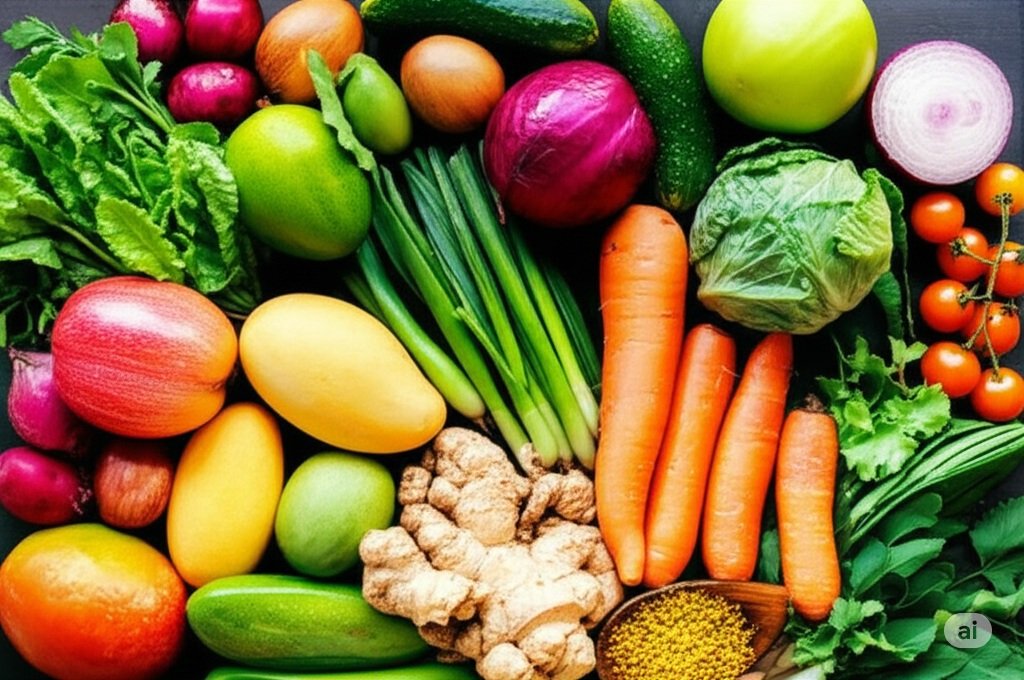
Discover the age-old wisdom of seasonal eating in India. Learn how it benefits your health, connects you to culture, and supports local communities.
India, a land of incredible diversity, boasts not just varied landscapes and cultures, but also a rich tapestry of culinary traditions deeply intertwined with the rhythms of nature. At the heart of this lies the practice of seasonal eating – a wisdom passed down through generations, emphasizing the consumption of fruits, vegetables, and grains that are naturally available during a particular time of the year. This isn’t just a dietary preference; it’s a cultural cornerstone with profound implications for our health, our communities, and our connection to the environment.
The Ayurvedic Connection
The ancient science of Ayurveda places immense importance on aligning our diet with the changing seasons. It posits that the natural cycles influence our body’s constitution and that consuming foods in harmony with these cycles helps maintain balance and prevent diseases. For instance, the cooling properties of watermelons and cucumbers are particularly beneficial during the hot Indian summers, while the warming nature of root vegetables and spices provides comfort and immunity during the winter months.
Health Benefits Galore
Eating seasonal produce offers a multitude of health advantages. When fruits and vegetables are harvested at their peak ripeness, they are bursting with flavour and nutrients. They haven’t traveled long distances or been stored for extended periods, ensuring maximum vitamin and mineral content. Moreover, our bodies are naturally attuned to the seasonal availability of food. Consuming lighter, hydrating foods in summer and more nourishing, energy-rich foods in winter makes perfect physiological sense.
Here are some key benefits:
- Enhanced Nutrient Intake: Seasonal foods are packed with the vitamins and minerals our bodies need at that specific time of year.
- Better Digestion: Our bodies can digest and assimilate seasonal foods more efficiently.
- Stronger Immunity: A diet rich in fresh, seasonal produce helps bolster our immune system, making us less susceptible to seasonal ailments.
- Reduced Exposure to Chemicals: Locally grown, seasonal produce often requires fewer pesticides and artificial preservatives.
A Culinary Calendar
Think about the joy of biting into a juicy mango during the summer, or the comforting warmth of sarson ka saag with makki ki roti in the winter. Indian cuisine beautifully showcases the bounty of each season. From the tangy pickles made with winter carrots and caulifower to the refreshing lassis blended with summer fruits, our culinary traditions are deeply rooted in what the earth provides at a particular time. Festivals across India also often coincide with harvests, celebrating the seasonal abundance with specific dishes.
Supporting Local Communities and the Environment
Choosing seasonal produce also has a positive impact on our local economies and the environment. By buying directly from farmers or local markets, we support their livelihoods and encourage sustainable farming practices. Seasonal farming reduces the need for energy-intensive transportation, storage, and artificial ripening, thus minimizing our carbon footprint. It’s a way to eat consciously and contribute to a healthier planet.
Incorporating seasonal eating into our lives is a simple yet powerful way to connect with our cultural heritage, nourish our bodies, and support a more sustainable future. It’s about embracing the natural rhythms of life and savouring the delicious flavours that each season brings to our plates. So, the next time you plan your meals, take a moment to consider what’s fresh and in season – it’s a tradition worth embracing.
Recent Posts
A Gang’s Chilling Warning to Bollywood after the Kapil Sharma Cafe Attack
A recent incident at actor-comedian Kapil Sharma’s cafe has sent a chilling message through the… Read More
Modi and Putin’s Crucial Talk: Strengthening Ties Amid Global Tensions
Narendra Modi and Russian President Vladimir Putin recently held an important conversation, reaffirming the strong… Read More
The Bull and Bear Tussle: How Trump’s Tariffs Are Shaking Up the Indian Stock Market
Indian stock markets are on edge after new US tariffs. Will the Nifty50 and Sensex… Read More
Hope Amidst the Uttarkashi Flash Floods: Families Await News
Anxious families in Uttarkashi wait for news after flash floods. Discover the ongoing rescue efforts… Read More
India’s Unwavering Pledge: Farmers’ Interests Paramount, Says PM Modi
The nation recently witnessed a strong and clear message from Prime Minister Narendra Modi regarding… Read More
Beyond Flavor: Unveiling the Healing Powers of Indian Spices
Indian cuisine is renowned worldwide for its vibrant flavors and aromatic spices. However, these culinary… Read More