India’s Stand: How China Used Pakistan as a Proxy in Op Sindoor

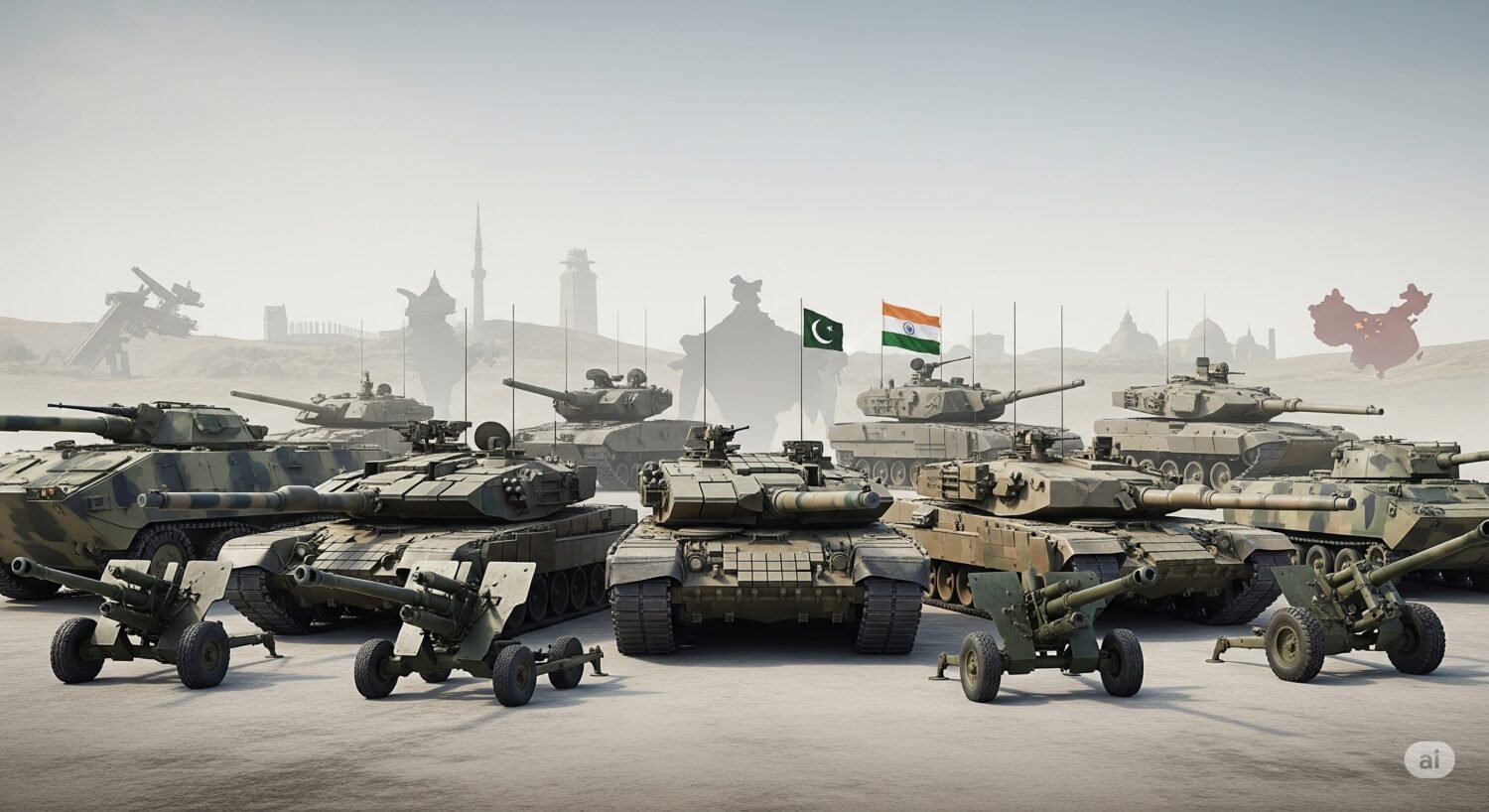
The recent revelations by Indian Army Deputy Chief, Lieutenant General Rahul R Singh, have shed crucial light on a lesser-known aspect of Operation Sindoor. This isn’t just about India’s decisive action against terror launchpads; it’s about understanding the intricate web of geopolitical maneuvering, particularly China’s strategic involvement. For years, the narrative has focused on the India-Pakistan dynamic, but the deeper truth, as explained by Lt Gen Singh, points to a significant Chinese hand, using Pakistan as a pawn in a larger game.
The ‘Borrowed Knife’ Strategy
China’s strategic doctrine often involves indirect engagement, and the term “kill by a borrowed knife” perfectly encapsulates their approach with Pakistan. Instead of direct confrontation with India, China has found a willing partner in Pakistan to further its regional objectives and, as Lt Gen Singh highlighted, “inflict pain” on India. This isn’t just about providing military aid; it’s about a deeper, more insidious form of proxy warfare.
Pakistan: China’s Live Laboratory
One of the most striking insights from Lt Gen Singh’s address is the characterization of Pakistan as China’s “live lab.” Imagine a scenario where a nation allows its military and its people to be used as a testing ground for another country’s weaponry. This is precisely what has been happening. With a staggering 81% of Pakistan’s military equipment being Chinese-supplied, it creates an unparalleled opportunity for China to:
- Test New Weapon Systems: Real-world conflict scenarios provide invaluable data on the performance and effectiveness of their arms.
- Refine Military Technologies: Every engagement offers insights for improvements and upgrades.
- Assess Combat Readiness: Observing how their equipment performs under pressure helps them gauge its true capabilities.
This arrangement benefits China immensely, allowing them to hone their military prowess without direct engagement, all while using Pakistan as a shield and a proving ground.
Real-Time Intelligence: The Unfair Advantage
Beyond weaponry, China’s support extended to critical intelligence sharing during Operation Sindoor. Pakistan received real-time intelligence on Indian military movements. This level of cooperation indicates a deep strategic nexus, providing Pakistan with an unfair advantage and complicating India’s operational planning. It underscores the extent to which China is invested in bolstering Pakistan’s military capabilities, not just for Pakistan’s defense, but for its own strategic interests in the region.
Operation Sindoor: A Necessary Response
Operation Sindoor itself was a direct response to a heinous terrorist attack in Kashmir on April 22. Launched on May 7, its objective was clear: to dismantle terror infrastructure across the Line of Control. While Pakistan retaliated with missile and drone strikes, largely sourced from China and Turkey, the Indian air defense systems proved effective in largely quelling these threats, eventually leading to a ceasefire. This operation, while successful in its immediate goals, serves as a stark reminder of the complex geopolitical landscape India navigates.
The revelations about China’s role in Operation Sindoor are a crucial piece of the puzzle, highlighting the need for India to remain vigilant and adaptable in its defense strategies. Understanding the “borrowed knife” approach and Pakistan’s role as a “live lab” is essential for comprehending the true nature of the challenges India faces in its neighborhood.
Recent Posts
A Gang’s Chilling Warning to Bollywood after the Kapil Sharma Cafe Attack
A recent incident at actor-comedian Kapil Sharma’s cafe has sent a chilling message through the… Read More
Modi and Putin’s Crucial Talk: Strengthening Ties Amid Global Tensions
Narendra Modi and Russian President Vladimir Putin recently held an important conversation, reaffirming the strong… Read More
The Bull and Bear Tussle: How Trump’s Tariffs Are Shaking Up the Indian Stock Market
Indian stock markets are on edge after new US tariffs. Will the Nifty50 and Sensex… Read More
Hope Amidst the Uttarkashi Flash Floods: Families Await News
Anxious families in Uttarkashi wait for news after flash floods. Discover the ongoing rescue efforts… Read More
India’s Unwavering Pledge: Farmers’ Interests Paramount, Says PM Modi
The nation recently witnessed a strong and clear message from Prime Minister Narendra Modi regarding… Read More
Beyond Flavor: Unveiling the Healing Powers of Indian Spices
Indian cuisine is renowned worldwide for its vibrant flavors and aromatic spices. However, these culinary… Read More