Parliament’s Monsoon Session: A Glimpse into India’s Democratic Discourse

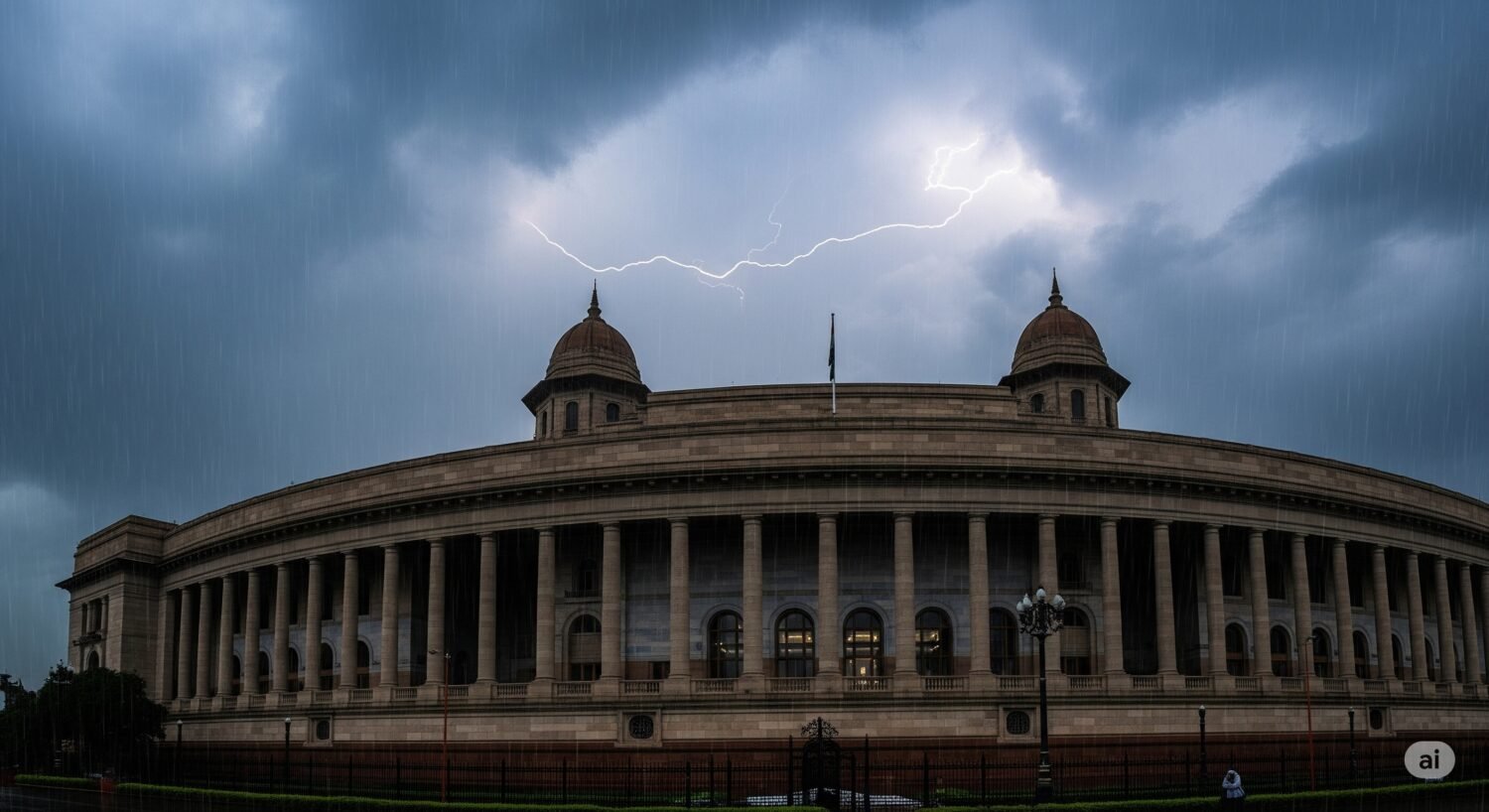
As the monsoon clouds gather, so too does the anticipation for India’s parliamentary Monsoon Session. This crucial period, often marked by intense debates and significant legislative activity, is a cornerstone of the nation’s democratic process. Furthermore, it provides a vital platform for both the government and the opposition to address pressing national issues, ensuring that the voice of the people is heard within the hallowed halls of power.
Setting the Stage: The All-Party Meeting
Before the formal commencement of the session, a customary all-party meeting is convened. This gathering, a testament to the spirit of cooperation, serves as an essential prelude. Here, the government extends an olive branch, seeking the collaboration of opposition parties to facilitate the smooth functioning of parliamentary proceedings. Consequently, this pre-session dialogue aims to iron out potential disagreements and foster an environment conducive to productive legislative work. However, it’s also a critical opportunity for the opposition to lay out their agenda and highlight the concerns they intend to raise.
Key Issues on the Agenda
The upcoming session is poised to tackle a range of significant issues that resonate deeply with the public. For instance, one prominent concern expected to be brought to the forefront is the special intensive revision of electoral rolls in Bihar. This is a matter of considerable importance, as accurate electoral rolls are fundamental to fair and transparent elections. Additionally, the recent Pahalgam terror attack is another critical subject that will undoubtedly demand parliamentary attention. The tragic incident underscores the ongoing challenges related to national security, and therefore, a robust discussion on strategies to combat such threats is anticipated.
The Opposition’s Stance
The INDIA bloc parties, a significant force within the opposition, have clearly articulated their intentions for the session. They are resolved to scrutinize the government’s foreign policy, particularly focusing on what they perceive as “failures” in this critical area. Moreover, they are committed to demanding justice for the victims of the Pahalgam attack, ensuring that accountability is sought and appropriate measures are taken. These issues, alongside the concerns regarding the Bihar electoral roll revision, form the core of their parliamentary strategy. Thus, the session promises to be a vibrant arena for political discourse, with various viewpoints contributing to the national dialogue.
The Path Forward
The Monsoon Session, therefore, is not merely a procedural event; it is a dynamic period where the nation’s legislative future is shaped. It is a time for accountability, debate, and ultimately, progress. While disagreements are inherent to a democratic system, the underlying goal remains the welfare of the citizenry. Both the government and the opposition, despite their differing approaches, share the responsibility of upholding democratic principles and working towards a stronger, more resilient India. Consequently, the outcomes of this session will undoubtedly have a lasting impact on the lives of ordinary citizens, from policy changes to the addressing of critical national security concerns. The spirit of parliamentary democracy, therefore, will be on full display.
Recent Posts
A Gang’s Chilling Warning to Bollywood after the Kapil Sharma Cafe Attack
A recent incident at actor-comedian Kapil Sharma’s cafe has sent a chilling message through the… Read More
Modi and Putin’s Crucial Talk: Strengthening Ties Amid Global Tensions
Narendra Modi and Russian President Vladimir Putin recently held an important conversation, reaffirming the strong… Read More
The Bull and Bear Tussle: How Trump’s Tariffs Are Shaking Up the Indian Stock Market
Indian stock markets are on edge after new US tariffs. Will the Nifty50 and Sensex… Read More
Hope Amidst the Uttarkashi Flash Floods: Families Await News
Anxious families in Uttarkashi wait for news after flash floods. Discover the ongoing rescue efforts… Read More
India’s Unwavering Pledge: Farmers’ Interests Paramount, Says PM Modi
The nation recently witnessed a strong and clear message from Prime Minister Narendra Modi regarding… Read More
Beyond Flavor: Unveiling the Healing Powers of Indian Spices
Indian cuisine is renowned worldwide for its vibrant flavors and aromatic spices. However, these culinary… Read More